


When to Worry About a Lethargic Cat: Symptoms That Require a Vet Visit
Cat lethargy can be easy to miss at first. Cats sleep a lot, enjoy quiet routines, and often hide changes in how they feel. Still, when your cat seems unusually tired, withdrawn, or uninterested in normal activities, that shift can signal something more serious. Cat lethargy is not a diagnosis, but it is an important change in behavior that deserves attention, especially when it appears suddenly or worsens over time. This blog explains when cat lethargy becomes a reason to seek veterinary care, what symptoms raise concern, and why prompt evaluation matters. If you ever feel unsure about your cat’s energy level, call Animal Emergency Center of Tulsa at 918-665-0508 for guidance.
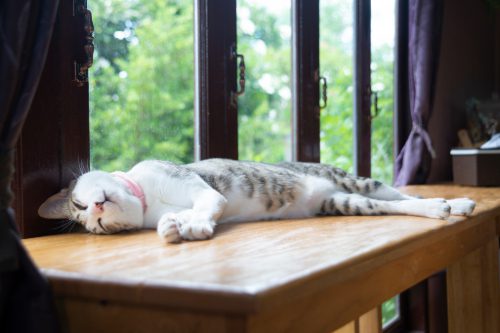
What Cat Lethargy Really Looks Like
Cat lethargy goes beyond normal rest. Healthy cats still show interest in meals, social interaction, grooming, and movement, even if they nap often. When lethargy sets in, you may notice your cat sleeping far more than usual while avoiding activities they once enjoyed. They may stop greeting you, ignore toys, or remain in one spot for long periods. These changes tend to feel different from a typical lazy day.
Behavioral shifts linked to cat lethargy often appear alongside subtle physical cues. A cat may move more slowly, hesitate to jump, or seem mentally “checked out.” Over time, this lack of energy can affect eating habits, hydration, and overall responsiveness. Because cats instinctively hide illness, lethargy is sometimes one of the earliest outward signs that something is wrong.
Common Causes Behind Cat Lethargy
Many underlying issues can contribute to a lethargic cat, ranging from mild to life-threatening. Infections, inflammatory conditions, metabolic disorders, toxin exposure, and internal injuries can all reduce a cat’s energy level. Stressful events, such as changes in the household or environment, may also play a role, though stress-related lethargy usually resolves more quickly.
What makes cat lethargy challenging is that the same outward behavior can be associated with very different conditions. A brief period of low energy may resolve on its own, while persistent or worsening lethargy often points to a deeper problem. Because the cause is not always obvious, veterinary evaluation helps determine whether lethargy reflects a temporary issue or a medical emergency.
When Cat Lethargy Becomes an Emergency
Not all lethargic cats require urgent care, but certain patterns should raise immediate concern. A sudden onset of extreme fatigue, especially in a previously active cat, deserves attention. If lethargy appears quickly and does not improve within a short period, it may indicate a serious internal issue.
You should also take lethargy seriously when it interferes with basic daily functions. A cat that refuses food, avoids water, or struggles to stand or walk may be experiencing more than simple tiredness. Emergency evaluation helps identify time-sensitive conditions where early treatment improves outcomes. If your cat’s behavior feels alarming or out of character, trust your instincts and call Animal Emergency Center of Tulsa at 918-665-0508.
Warning Signs That Accompany Cat Lethargy
Loss of Appetite and Reduced Drinking
A noticeable drop in eating or drinking often appears alongside cat lethargy. Cats rely on regular nutrition and hydration to maintain organ function, so even short periods of reduced intake can become serious. When lethargy combines with food avoidance, it suggests your cat may feel unwell, nauseated, or painful. Dehydration can worsen fatigue and lead to additional complications. Cats that stop visiting their food bowl or water dish while showing lethargy should be evaluated promptly. These combined signs often signal that the body is under stress.
Changes in Breathing or Heart Rate
Breathing patterns offer valuable clues when assessing cat lethargy. Rapid, labored, or shallow breathing may point to respiratory or cardiovascular concerns. Some lethargic cats sit in unusual positions or stretch their necks forward to breathe more comfortably. An abnormal heart rate may also accompany lethargy, even if it is not immediately visible. Subtle changes in posture, chest movement, or gum color can reflect deeper issues. Any breathing difficulty paired with lethargy should be treated as urgent.
Vomiting, Diarrhea, or Litter Box Changes
Digestive upset frequently occurs with lethargy. Vomiting, diarrhea, constipation, or changes in urine output suggest the body is struggling to maintain balance. These symptoms can lead to dehydration and electrolyte imbalances, which further worsen cat lethargy. Litter box habits provide insight into internal health. A cat that stops using the litter box or produces significantly less waste while showing lethargy may have an underlying condition that needs evaluation. These changes rarely resolve without veterinary care.
How Age and Health History Affect Lethargy
Age plays a major role in how concerning lethargy may be. Kittens typically have high energy levels, so noticeable fatigue often signals illness. Senior cats may slow down naturally, but true lethargy still stands out from normal aging. When an older cat becomes withdrawn or inactive, it warrants closer attention. Pre-existing medical conditions also influence how veterinarians interpret lethargy. Cats with chronic illnesses may show more dramatic changes when their condition destabilizes. A known health history combined with new or worsening lethargy increases the urgency for evaluation.
Why Cats Hide Illness and Show Lethargy First
Cats evolved to mask weakness as a survival instinct. In the wild, visible illness attracts predators. Because of this instinct, cat lethargy often appears before more obvious symptoms. A cat may quietly retreat, sleep more, and disengage from interaction long before showing pain or distress. This behavior makes lethargy an important early warning sign. Pet owners who notice subtle energy changes often detect illness sooner than those waiting for dramatic symptoms. Acting on lethargy helps address problems before they escalate.
What Happens During a Veterinary Evaluation for Cat Lethargy
When a cat presents with lethargy, our veterinary team focuses on identifying the underlying cause. A thorough history helps determine when the lethargy began, how it has progressed, and what other changes are present. Physical assessment evaluates hydration, circulation, breathing, and responsiveness. Diagnostic testing may follow to gather more information. These steps allow veterinarians to distinguish between minor issues and emergencies. While the process varies by case, the goal remains the same: determine why cat lethargy is occurring and address it appropriately. If you are concerned, contact Animal Emergency Center of Tulsa at 918-665-0508 to discuss next steps.
Situations Where Waiting Is Risky
Delaying care when cat lethargy is severe or worsening can reduce treatment options. Conditions that affect circulation, breathing, or organ function may progress quickly. Cats that become minimally responsive or unable to move normally require immediate attention. It is also risky to wait when lethargy appears after trauma, toxin exposure, or a sudden behavioral shift. Even if external injuries are not visible, internal damage may be present. Prompt evaluation helps uncover hidden problems that could become life-threatening.
Taking Cat Lethargy Seriously
Cat lethargy is one of the most important behavioral changes a cat can show. While not every tired day signals an emergency, patterns, severity, and accompanying symptoms matter. Paying attention to how your cat acts today compared to their usual routine helps you recognize when something is off. If your cat seems unusually quiet, withdrawn, or weak, it is better to ask questions sooner rather than later. Animal Emergency Center of Tulsa is available to assess concerning changes and provide urgent care when needed. If cat lethargy is causing you concern, call 918-665-0508 to speak with a veterinary professional right away.