


Why Your Cat is Peeing Blood and What to Do
Why Your Cat is Peeing Blood and What to Do
You clean the litter box and pause. Something looks off; there’s a pink or red tint where there shouldn’t be. Blood in a cat’s urine, also called hematuria, often signals irritation, inflammation, or a more serious issue within the urinary tract. While some causes may be mild and manageable, others can escalate quickly and require urgent veterinary care. Understanding why your cat is peeing blood and what steps to take next can help you respond quickly and appropriately.
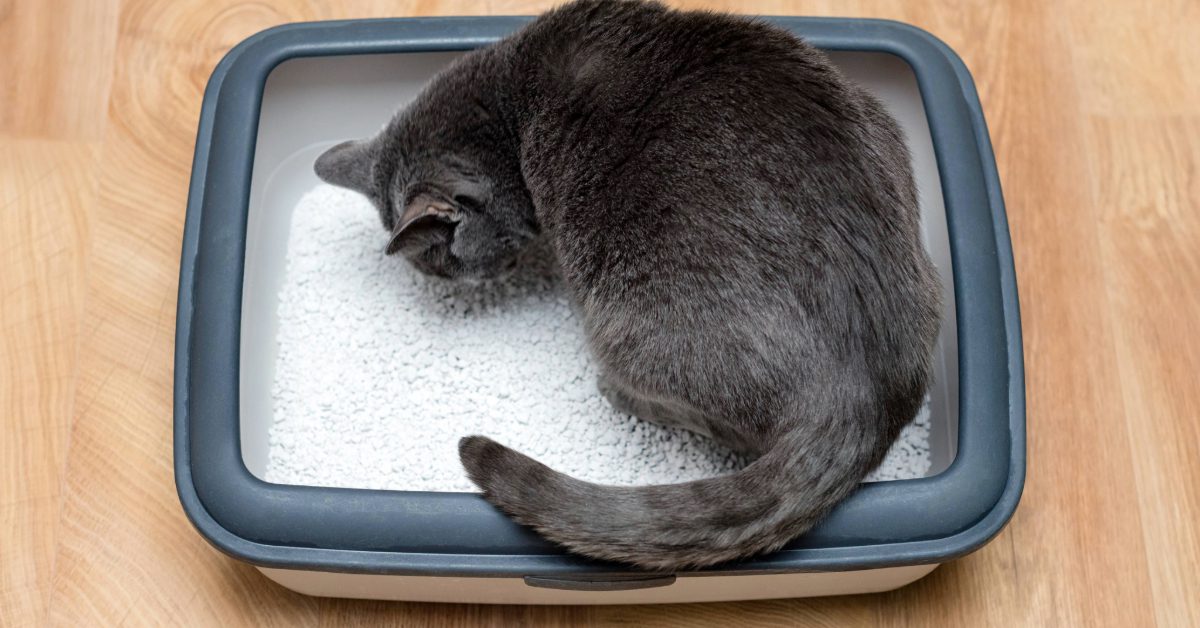
Why Does Your Cat Pee Blood?
When a cat is peeing blood, the underlying cause usually involves inflammation somewhere along the urinary tract. This includes the kidneys, ureters, bladder, or urethra. In many cases, the condition falls under a broader category called feline lower urinary tract disease (FLUTD), which describes a group of disorders rather than a single diagnosis. These conditions often share similar symptoms, including frequent urination, straining, and visible blood in the urine. Because cats tend to hide discomfort, subtle changes in litter box habits may be the first clue something is wrong.
Several factors can lead to blood in a cat’s urine, ranging from stress-related inflammation to infections or physical obstructions. Cats with urinary issues may visit the litter box more often, vocalize while urinating, or begin eliminating outside the box. These behaviors are not simply behavioral problems; they are often your cat’s way of signaling discomfort or pain. Identifying the cause requires a veterinary evaluation, as symptoms alone cannot pinpoint the exact issue.
Common Causes of Blood in Cat Urine
Some of the most common causes your cat may be peeing blood include:
- Bladder inflammation (feline idiopathic cystitis)
- Urinary tract infections (less common but possible)
- Bladder or urethral stones
- Urethral blockage, especially in male cats
- Trauma or injury to the urinary tract
- Underlying kidney disease
Each of these conditions affects the urinary system differently, but all can result in a cat peeing blood. Some develop gradually, while others appear suddenly and worsen quickly.
What To Do If Your Cat Is Peeing Blood
If you notice your cat peeing blood, the next step is to assess the situation calmly and act promptly. While it may be tempting to wait and see if the issue resolves, urinary problems can escalate quickly, particularly if a blockage is involved. Cats that strain without producing urine or appear distressed should receive immediate attention. Even if your cat seems otherwise normal, blood in the urine is not something to ignore.
You can begin by observing your cat’s behavior and noting any additional symptoms. Look for changes in appetite, energy level, or grooming habits. Pay close attention to how often your cat uses the litter box and whether they appear to be straining or producing only small amounts of urine. These details can help your veterinary team understand the severity and possible cause of the issue.
Signs that require urgent attention include:
- Repeated trips to the litter box with little or no urine
- Crying or vocalizing while attempting to urinate
- Lethargy or hiding behavior
- Vomiting or loss of appetite
- Swollen or firm abdomen
If you notice any of these signs, contact Animal Emergency Center & Urgent Care in Tulsa at 918-665-0508 right away. Quick action can prevent complications and provide relief for your cat.
Potential Life-Threatening Conditions
While some cases of a cat peeing blood stem from mild inflammation, others can quickly become life-threatening. One of the most serious conditions we see is a urethral obstruction, which occurs when the urethra becomes blocked by debris, crystals, or stones. This condition is especially common in male cats due to their narrower urethra. When a blockage occurs, urine cannot pass, leading to a dangerous buildup of toxins in the body.
A blocked cat may appear restless, strain repeatedly, or stop producing urine altogether. As pressure builds, the bladder can become distended, and the condition can progress rapidly within hours. Without prompt intervention, this situation can lead to severe complications, including electrolyte imbalances and organ dysfunction. Blood in the urine may be one of the earliest warning signs before a full obstruction develops.
Other serious conditions to consider include:
- Bladder stones causing irritation or obstruction
- Severe infections that spread beyond the urinary tract
- Kidney disease affecting urine production
- Tumors within the urinary system
Each of these conditions requires a thorough diagnostic approach, often including imaging and laboratory testing. Early recognition gives your veterinary team more options to manage the condition effectively.
Helping Your Pet Before the Vet Visit
While veterinary care remains essential, there are a few ways you can support your cat at home before your visit. The goal is not to treat the condition but to reduce stress and monitor symptoms until your cat can be evaluated. Cats with urinary issues often benefit from a calm, predictable environment, as stress can worsen inflammation within the bladder.
Ensure your cat has easy access to clean litter boxes and fresh water. You may notice that increasing water intake encourages more frequent urination, which can help flush the urinary tract. Wet food can also contribute to hydration, although dietary changes should remain simple and consistent. Avoid introducing new stressors, such as changes in routine or environment, during this time. These steps can help you gather useful information and keep your cat as comfortable as possible while you prepare for a veterinary visit.
Preventing Future Urinary Problems
Once your cat has experienced blood in their urine, prevention becomes an important part of long-term care. Many urinary conditions, particularly feline idiopathic cystitis, have a strong connection to stress and environmental factors. Creating a stable, enriched environment can reduce the likelihood of recurrence and improve your cat’s overall comfort.
Hydration plays a key role in urinary health. Cats naturally have a low thirst drive, which can lead to concentrated urine and increased irritation within the bladder. Encouraging water intake through fountains, multiple bowls, or wet food can make a meaningful difference. Routine veterinary visits also allow for early detection of underlying issues that may not be visible at home.
Long-term prevention strategies include:
- Provide environmental enrichment, such as toys and vertical spaces
- Maintain consistent daily routines
- Encourage regular water intake
- Schedule routine wellness exams
- Address behavioral stressors within the home
By focusing on these factors, you can reduce the chances of your cat peeing blood again and support a healthier urinary system over time.
When a Litter Box Clue Becomes a Call for Care
Not every change in the litter box signals an emergency, but blood in your cat’s urine always deserves attention. What starts as a small pink tint can quickly develop into a more serious condition if left unaddressed. Acting early allows your veterinary team to identify the cause, relieve discomfort, and prevent complications before they escalate.
If your cat is peeing blood or showing signs of urinary distress, contact Animal Emergency Center & Urgent Care in Tulsa, OK at 918-665-0508. Prompt evaluation can provide answers and help your cat return to normal routines with greater comfort and stability.