

From Normal to Concerning: When to Worry About Your Dog’s Drooling
From Normal to Concerning: When to Worry About Your Dog’s Drooling
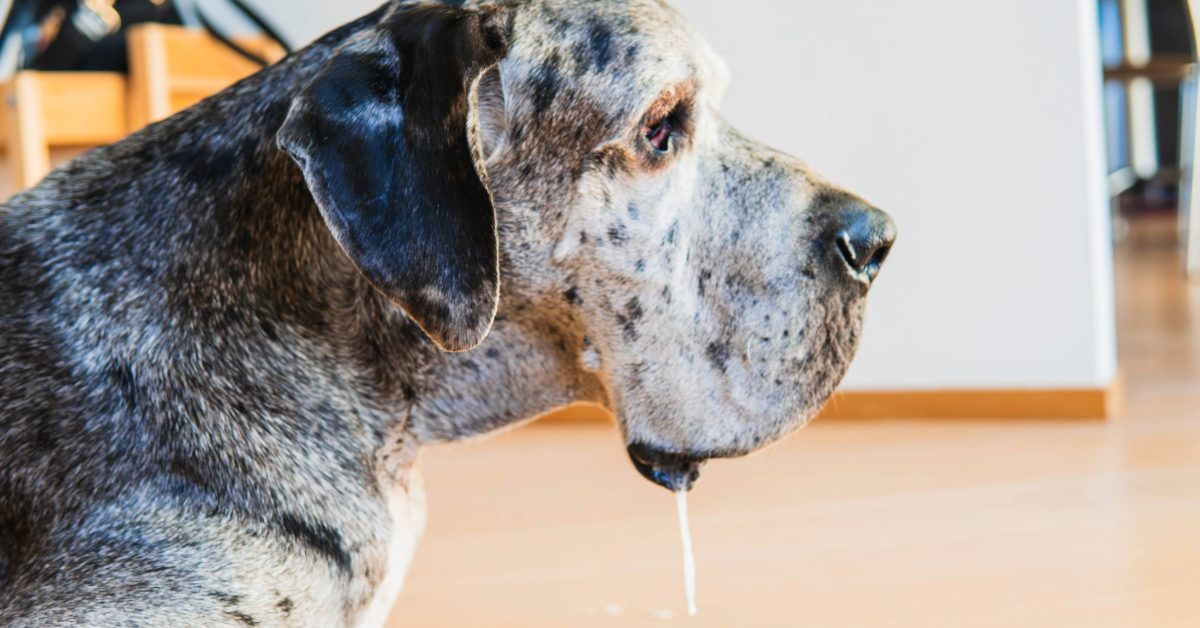
Drooling can catch you off guard. One moment your dog is lounging comfortably with their head on your lap, and the next, you notice a string of saliva or a damp spot soaking your jeans. In many cases, drooling is completely normal. Some dogs drool when they see food, others drool after exercise, and certain breeds naturally produce more saliva than others. However, when a dog starts drooling excessively or shows a sudden change in drooling patterns, it can signal something more serious. Understanding the difference between typical drooling and concerning symptoms helps you act quickly when your dog needs attention. Knowing what to watch for can make all the difference in protecting your dog’s health.
Typical Causes of Drooling
Dogs drool for a variety of everyday reasons, and many of them are harmless. Saliva plays an important role in digestion, lubrication, and even cooling the body. Some dogs simply produce more saliva than others, especially breeds with loose lips or large jowls. You may notice drooling when your dog anticipates a meal, smells something appealing, or feels excited. Stress can also trigger drooling, particularly during car rides, vet visits, or unfamiliar situations.
Environmental factors can contribute as well. Hot weather can cause increased panting, which may lead to more noticeable drooling. Physical activity can also stimulate saliva production, especially if your dog is breathing heavily afterward. These situations typically resolve quickly once your dog calms down or cools off.
Normal drooling usually has a pattern. It appears during specific situations and stops shortly afterward. The saliva remains clear and does not have a strong odor. Your dog continues to act like themselves, eating, drinking, and interacting as usual. When drooling becomes constant, excessive, or paired with other symptoms, it’s time to take a closer look.
Common normal triggers for drooling include:
- Anticipation of food or treats
- Excitement or stimulation
- Mild stress or anxiety
- Heat and physical exertion
When you notice a sudden increase in drooling without a clear cause, especially if your dog is drooling excessively, it may point to an underlying issue that needs attention.
Mouth and Throat Issues
Problems in the mouth and throat are some of the most common reasons for excessive drooling in dogs. Pain, irritation, or injury in these areas can stimulate saliva production and make it difficult for your dog to swallow normally. Even a small issue, like a piece of food stuck between the teeth, can lead to noticeable drooling.
Dental disease is a frequent culprit. Inflammation of the gums, infected teeth, or oral abscesses can cause discomfort that leads to excessive saliva. You might also notice bad breath, pawing at the mouth, or reluctance to eat. Foreign objects, such as sticks, bones, or toys, can become lodged in the mouth or throat and create immediate irritation.
Signs of Oral Pain or Injury
When drooling is linked to oral discomfort, your dog often shows additional behavioral changes. These signs can help you determine whether the issue goes beyond normal drooling. Dogs experiencing mouth pain may avoid chewing, drop food while eating, or become hesitant to open their mouth.
Watch for:
- Pawing at the face or mouth
- Swelling around the jaw or muzzle
- Bleeding from the gums
- Sudden refusal to eat or drink
Toxic exposures can also affect the mouth. Certain plants, chemicals, or household substances can irritate oral tissues and lead to drooling. In these cases, drooling may appear suddenly and may be accompanied by redness, vomiting, or lethargy. If your dog is drooling excessively and you suspect exposure to something harmful, immediate veterinary care is important.
Tummy Troubles
The digestive system plays a major role in drooling. When a dog feels nauseated, the body often produces excess saliva as a response. This type of drooling can appear before vomiting or as a sign of gastrointestinal discomfort. It may seem subtle at first, but it often progresses if the underlying issue is not addressed.
Dogs experiencing nausea may lick their lips frequently, swallow repeatedly, or seem restless. You might notice pacing, whining, or a lack of interest in food. In some cases, drooling becomes one of the earliest visible signs that something is wrong internally.
When Drooling Signals Nausea
Nausea-related drooling tends to come with a combination of symptoms rather than appearing on its own. Paying attention to your dog’s overall behavior can help you identify whether digestive issues are involved. Conditions such as dietary indiscretion, ingestion of spoiled food, or underlying illness can all contribute.
Signs that drooling may be linked to stomach issues include:
- Lip licking or excessive swallowing
- Decreased appetite or refusal to eat
- Vomiting or attempts to vomit
- Restlessness or discomfort
More serious conditions, such as bloat or intestinal obstruction, can also present with drooling. These situations often progress quickly and require urgent evaluation. If your dog is drooling excessively and showing signs of abdominal discomfort, it’s important to act without delay.
Other Conditions to Look Out For
Excessive drooling can also point to conditions beyond the mouth or stomach. In some cases, it may signal neurological concerns, heat-related illness, or systemic disease. These situations often involve more dramatic changes in your dog’s behavior or physical condition.
Heatstroke is one example where drooling becomes excessive and concerning. Dogs that overheat may drool heavily, pant excessively, and appear weak or disoriented. This condition can escalate quickly, especially during warmer months in Tulsa, and requires prompt attention.
Neurological issues can also affect a dog’s ability to control swallowing. When this happens, saliva may accumulate and spill out of the mouth. You may notice additional signs such as unsteady movement, confusion, or changes in coordination. These symptoms should never be ignored.
Toxin exposure remains another serious cause. Certain substances can trigger drooling as the body reacts to irritation or poisoning. This type of drooling often appears suddenly and may be accompanied by vomiting, tremors, or unusual behavior.
Red flags that warrant urgent care include:
- Sudden onset of heavy drooling
- Drooling paired with lethargy or collapse
- Difficulty breathing or swallowing
- Signs of pain or distress
When excessive drooling occurs alongside any of these symptoms, it’s best to seek immediate evaluation. Early intervention can prevent complications and improve outcomes.
When Should You Call an Emergency Vet?
It can be difficult to decide when drooling requires professional attention. While mild or situational drooling often resolves on its own, persistent or unexplained drooling should raise concern. The key is to look at the full picture, not just the drool itself.
If your dog’s drooling lasts longer than expected, worsens over time, or appears without a clear trigger, it’s worth reaching out. Changes in appetite, energy level, or behavior can provide important clues. Trust your instincts as a pet owner. If something feels off, it’s better to check than to wait.
At Animal Emergency Center & Urgent Care in Tulsa, we encourage pet owners to contact us when they notice unusual symptoms. If your dog is drooling excessively and showing any additional signs of illness, our team is here to help assess the situation and guide you on next steps.
Call 918-665-0508 if you notice:
- Persistent drooling with no obvious cause
- Drooling combined with vomiting or diarrhea
- Signs of pain, distress, or neurological changes
- Sudden behavioral shifts alongside drooling
Prompt communication can help you determine whether your dog needs urgent care or close monitoring.