


Is Your Dog at Risk for Pancreatitis? Common Causes and Symptoms
Is Your Dog at Risk for Pancreatitis? Common Causes and Symptoms
A skipped meal, a bout of vomiting, or a dog that just doesn’t seem like themselves can be early signs that point to pancreatitis in dogs, a condition that can escalate quickly without prompt attention. Pancreatitis occurs when the pancreas becomes inflamed, disrupting digestion and triggering a cascade of symptoms that can range from mild discomfort to severe illness. Understanding what puts dogs at risk, recognizing pancreatitis symptoms in dogs, and knowing when to seek urgent care can make a meaningful difference in how quickly your dog receives the care they need.
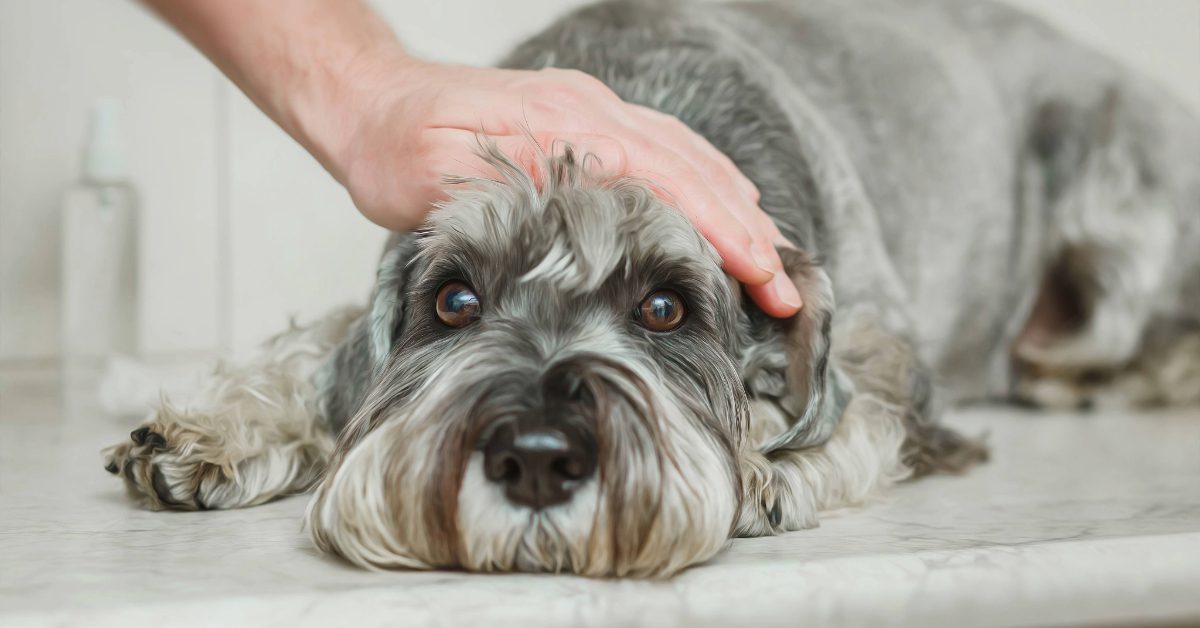
What Is Pancreatitis in Dogs?
Pancreatitis in dogs refers to inflammation of the pancreas, an organ that plays a key role in digestion and blood sugar regulation. The pancreas produces digestive enzymes that normally activate in the small intestine, where they help break down food. When pancreatitis develops, these enzymes activate prematurely within the pancreas itself, leading to irritation, inflammation, and damage to surrounding tissues. This process can cause significant discomfort and may impact other organs if the inflammation becomes severe.
Veterinarians typically categorize pancreatitis as either acute or chronic. Acute pancreatitis appears suddenly and can range from mild to life-threatening, depending on how aggressively the inflammation progresses. Chronic pancreatitis develops over time and may involve repeated low-grade inflammation that gradually affects pancreatic function. In both forms, early recognition of pancreatitis symptoms in dogs allows for faster intervention and improved outcomes.
Because the pancreas influences multiple systems in the body, pancreatitis can present with a wide range of clinical signs. Some dogs experience only mild digestive upset, while others may show more severe systemic symptoms. This variability is one reason pancreatitis in dogs can be challenging for pet owners to recognize at home.
Pancreatitis Symptoms in Dogs
The signs of pancreatitis in dogs often involve the digestive system, but they can extend beyond it. Many pet owners search for answers when they notice vomiting, lethargy, or changes in appetite, which are among the most common pancreatitis symptoms in dogs. These signs may appear suddenly or develop gradually over a short period.
Dogs with pancreatitis may show:
- Repeated vomiting or retching
- Loss of appetite or refusal to eat
- Abdominal pain, sometimes seen as a hunched posture
- Lethargy or decreased activity
- Diarrhea or changes in stool consistency
- Fever in some cases
While these symptoms can occur with many conditions, their combination, especially when persistent, raises concern for pancreatitis. Dogs experiencing abdominal pain may appear restless, reluctant to lie down, or sensitive when touched around the belly. Some dogs may also seem withdrawn or less responsive than usual.
When Symptoms Become an Emergency
Certain signs indicate that pancreatitis in dogs may require urgent veterinary attention. Severe or worsening symptoms can signal complications such as dehydration, electrolyte imbalances, or systemic inflammation. These situations can progress quickly, which is why timely evaluation matters.
Watch for the following red flags:
- Continuous vomiting without relief
- Signs of dehydration, such as dry gums or sunken eyes
- Weakness, collapse, or difficulty standing
- Rapid breathing or an elevated heart rate
If you notice any of these signs, contacting Animal Emergency Center & Urgent Care in Tulsa at 918-665-0508 allows your dog to be evaluated promptly. Early intervention can stabilize your pet and reduce the risk of complications.
Causes of Pancreatitis in Dogs
Pancreatitis in dogs does not always have a single clear cause, but several risk factors increase the likelihood of inflammation developing. Diet plays a significant role, particularly when dogs consume high-fat foods that place extra strain on the pancreas. Sudden dietary changes or access to rich table scraps can trigger an episode, especially in dogs that are already predisposed.
Other contributing factors include underlying medical conditions, medications, and genetic predispositions. Certain breeds appear more prone to pancreatitis, and dogs with metabolic disorders may face a higher risk due to changes in how their bodies process fats and sugars.
Common causes and risk factors include:
- High-fat meals or access to fatty human foods
- Obesity or excess body weight
- Endocrine conditions such as diabetes or hypothyroidism
- Certain medications that affect pancreatic function
- Breed predispositions in some dogs
Even with these known triggers, some cases occur without a clearly identifiable cause. This unpredictability highlights the importance of monitoring changes in behavior and appetite, especially after dietary indulgences or stressful events.
How Do Vets Diagnose Pancreatitis in Dogs?
Diagnosing pancreatitis in dogs requires a combination of clinical evaluation, diagnostic testing, and a detailed medical history. Because the symptoms overlap with other gastrointestinal conditions, veterinarians rely on multiple tools to confirm a diagnosis. During an exam, your veterinary team will assess hydration status, abdominal discomfort, and overall demeanor.
Blood tests often provide valuable insight into pancreatic function and inflammation. Specific markers can suggest pancreatitis, although no single test offers a definitive answer in every case. Imaging, such as abdominal ultrasound, allows veterinarians to visualize the pancreas and surrounding structures, helping identify inflammation or complications.
A thorough diagnostic approach may include:
- Physical examination and symptom review
- Bloodwork to evaluate organ function and inflammation
- Imaging, such as ultrasound or radiographs
- Assessment of hydration and electrolyte balance
This comprehensive process helps rule out other conditions while confirming whether pancreatitis in dogs is the underlying issue. Accurate diagnosis guides appropriate treatment decisions and supports better outcomes.
Treatment of Pancreatitis in Dogs
Treatment for pancreatitis in dogs focuses on stabilizing the patient, managing symptoms, and allowing the pancreas time to recover. Because the condition affects digestion and hydration, supportive care often plays a central role. Veterinary teams tailor treatment plans based on the severity of the condition and the individual needs of the dog.
Dogs with mild pancreatitis may require outpatient care and close monitoring, while more severe cases often need hospitalization. In these situations, veterinary teams provide supportive therapies to maintain hydration, manage discomfort, and monitor for complications. The goal is to reduce inflammation while supporting the body’s natural healing processes.
Recovery and Management of Pancreatitis in Dogs
Recovery from pancreatitis in dogs varies depending on how severe the episode was and whether underlying conditions are present. Some dogs recover fully after a single episode, while others may experience recurring inflammation that requires ongoing management. Monitoring your dog’s behavior, appetite, and energy levels plays an important role during this phase.
Long-term management often involves maintaining a consistent routine and avoiding known triggers. Dietary adjustments may be recommended to reduce strain on the pancreas, particularly in dogs that have experienced multiple episodes. Weight management also becomes a key consideration, as excess body weight can increase the likelihood of recurrence.
Prevention of Pancreatitis in Dogs
While not all cases of pancreatitis in dogs can be prevented, certain steps help reduce the risk. Diet remains one of the most influential factors, making it important to avoid sudden changes or access to high-fat foods. Maintaining a balanced feeding routine supports digestive health and minimizes stress on the pancreas.
Additional preventive measures include:
- Keeping table scraps and fatty foods out of reach
- Maintaining a healthy body weight through regular activity
- Monitoring for early signs of digestive upset
- Scheduling routine veterinary evaluations
Consistency plays a significant role in prevention. Dogs thrive on predictable routines, and stable feeding habits contribute to overall digestive health. Even small adjustments, such as limiting treats or avoiding rich foods, can make a meaningful difference over time.
If your dog shows signs that raise concern, reaching out to Animal Emergency Center & Urgent Care in Tulsa provides access to experienced veterinary professionals who can assess your pet’s condition. Call 918-665-0508 to speak with a team member and determine the next steps. Prompt attention ensures your dog receives the support they need when it matters most.